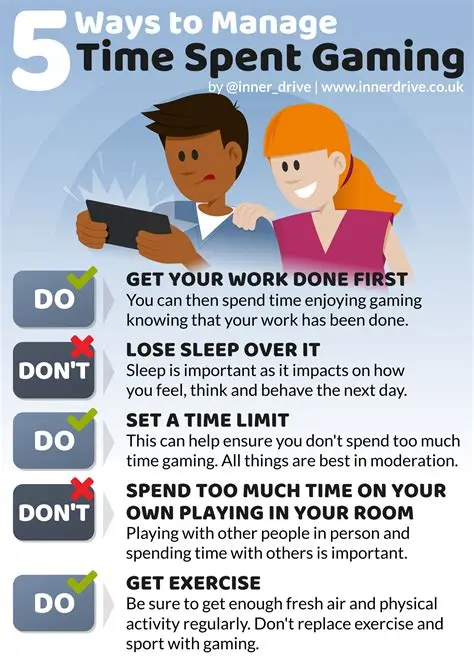
Game On & Get Stuff Done: Your Guide to Guilt-Free Productivity
Alright, real talk: who doesn't love diving deep into their favorite game for hours? We totally get it. But let's be honest, sometimes those epic quests and intense battles start low-key clashing with, you know, actual adulting or getting your work done. If you've ever felt that post-gaming guilt about your productivity taking a hit, don't sweat it! We're here to spill the tea on how you can keep those gaming sessions lit without letting your real-world responsibilities crumble. No cap, you can totally have both.
Strategic Time Blocking and Boundary Setting
Setting clear boundaries is like building a fence around your productivity. It's not about preventing you from enjoying your games, but rather about creating designated spaces for both work and play so they don't bleed into each other. Think of it as giving each activity its own VIP pass to your day. This approach ensures that when you're working, you're truly focused on tasks at hand, and when you're gaming, you can immerse yourself without guilt or looming deadlines.
One effective strategy is time blocking. This involves literally scheduling specific slots in your calendar for work, gaming, breaks, and other activities. When that gaming block arrives, you can play to your heart's content, knowing you’ve already allocated time for everything else. Conversely, when it’s time to work, your gaming console remains off, respecting the boundaries you’ve thoughtfully established. It’s about intentionality.
Moreover, communicating these boundaries to others can be incredibly helpful. Let family or housemates know your "work hours" or "gaming hours" to minimize interruptions. This not only reinforces your commitment but also educates those around you on how best to support your efforts. Remember, consistency is key here. The more you stick to your self-imposed rules, the easier they become to maintain. It creates a habit loop that strengthens over time.
Don't be afraid to experiment with different schedules to find what truly works for your unique lifestyle and energy levels. Some people prefer gaming as a reward after a productive day, while others might find a short gaming session helps them clear their head before tackling a big project. The goal is to find your personal rhythm that optimizes both enjoyment and output. Building a balanced routine takes time.
| Boundary Type | Description | Example |
|---|---|---|
| Time-Based | Setting specific start and end times for gaming sessions. | "I will game from 7 PM to 8:30 PM, no exceptions." |
| Task-Based | Completing all high-priority tasks before starting to game. | "Once I finish my report and respond to all emails, I can game." |
| Consequence-Based | Establishing rules for what happens if boundaries are broken. | "If I game past my allocated time, I'll restrict myself for the next day." |
| Environmental | Creating physical or digital barriers to limit gaming access. | "Gaming PC is in a shared space, or console is unplugged during work hours." |
| Emotional | Recognizing when gaming is used as an escape from responsibilities and addressing underlying issues. | "If I feel overwhelmed by work, I'll take a walk instead of immediately turning to games." |
This structured approach to managing your gaming time empowers you to take control. It transforms gaming from a potential distraction into a well-deserved, enjoyable part of a productive life. It’s all about working smarter, not just harder, and playing smarter too.
Leveraging Technology for Mindful Gaming
It might sound counterintuitive to use technology to manage technology, but many apps and tools are specifically designed to help you stay on track. These digital helpers can be incredibly effective in reinforcing your boundaries and promoting mindful gaming habits. They act as your personal accountability partners, gently reminding you when it's time to switch gears. Embracing these tools can truly transform your relationship with your devices.
For instance, screen time management apps are readily available on most smartphones and computers. Features like app limits, downtime schedules, and usage reports can provide valuable insights into how you're spending your digital hours. You can set a limit for your favorite game, and once that time is up, the app will block access until the next day. This takes the willpower out of the equation.
Beyond basic screen time controls, there are more advanced productivity apps that integrate "focus modes." These modes can block distracting websites and applications, including game launchers, for set periods. This creates a digital workspace free from temptations, allowing you to concentrate fully on your work tasks without the allure of digital escapism. Consider apps like Freedom, Cold Turkey, or even built-in OS features.
Many gaming platforms themselves now offer features to track your play time or set limits. Whether it's on PlayStation, Xbox, or PC, delve into the parental controls or account settings to see what options are available. Utilizing these native features can be a seamless way to keep an eye on your gaming habits directly from the source. It’s about leveraging the tools at your disposal to create a more balanced digital life.
Furthermore, consider using notification management. Turning off non-essential notifications, especially for games, during your dedicated work hours can significantly reduce distractions. Each ping can pull your focus away, breaking your concentration and making it harder to get back into the flow of your tasks. A quiet digital environment is a productive digital environment.
Even simple timers can be incredibly powerful. Set a physical kitchen timer or use a timer app on your phone for your gaming sessions. When the timer rings, it’s a clear, undeniable signal that your session is over. This external cue helps you adhere to your limits without relying solely on internal willpower, which can often waver when you're deeply engrossed in a game. Technology can be a friend, not just a foe, in your quest for balance.
The Power of Breaks and Physical Movement
While it might seem counterintuitive to take a break when you're trying to be productive, strategic breaks, especially those involving physical movement, are crucial for sustaining focus and energy. Sitting for long periods, whether for work or gaming, can lead to mental fatigue, physical stiffness, and a significant drop in productivity. Incorporating movement throughout your day acts as a reset button for both your mind and body.
Think of your brain like a muscle. It needs rest and varied activity to perform at its best. Short, active breaks can help clear your head, reduce eye strain from screens, and improve blood circulation. This fresh oxygen supply to the brain can boost cognitive function, leading to better decision-making and increased creativity when you return to your tasks. It's an investment in your well-being.
Integrating physical activity doesn't mean you need to hit the gym for an hour every time you take a break. Even simple movements can make a huge difference. Stand up and stretch, walk around your living room, do a few jumping jacks, or take a quick stroll outside. The key is to break the sedentary cycle and get your body moving, even if it's just for five to ten minutes. These micro-breaks add up.
Moreover, planning specific "active breaks" into your schedule can be a game-changer. For example, after an hour of focused work, take a 15-minute break to do some light exercises or walk up and down the stairs a few times. Similarly, after a gaming session, instead of immediately diving into another screen-based activity, step away and engage in something physical to transition. It helps clear your mind.
This approach not only prevents burnout but also makes your work and gaming sessions more effective. When you return to your tasks or games feeling refreshed and energized, you’ll likely find yourself more focused and engaged. It's about optimizing your overall well-being, which in turn enhances your ability to manage your time and be productive in all aspects of your life. Prioritizing movement is prioritizing yourself.
Regular physical activity also has long-term benefits for stress reduction and mental health. When you feel less stressed and more mentally balanced, you're naturally better equipped to handle the demands of work and resist the urge to over-game as a coping mechanism. So, get up, stretch, and move! Your body and your productivity will thank you for it. It’s a simple yet powerful strategy.
FAQ: Balancing Gaming and Productivity
Q1: Is gaming inherently bad for productivity?
A: Not at all! In moderation, gaming can actually enhance skills like problem-solving, strategic thinking, and hand-eye coordination. The key is finding a healthy balance and ensuring it doesn't detract from your responsibilities.
Q2: How do I know if I'm gaming too much?
A: Common signs include neglecting work or studies, losing sleep, feeling guilty after gaming, choosing gaming over important social interactions, or thinking about gaming constantly. If you experience these, it might be time to re-evaluate.
Q3: What if I feel addicted to gaming?
A: If you suspect addiction, seeking professional help is crucial. A therapist or counselor specializing in behavioral addictions can provide strategies and support. There are also many online resources and support groups available.
Q4: How can I deal with friends who encourage me to game too much?
A: Open communication is vital. Explain your goals for balance and productivity. Suggest alternative activities or set clear boundaries for when and how long you'll game with them. True friends will understand and support your choices.
Q5: Can gaming actually help with productivity or focus?
A: Yes, for some people. Short, well-timed gaming breaks can act as a mental reset, improving focus and creativity when you return to work. Certain puzzle or strategy games can also sharpen cognitive skills.
Q6: What's the best time of day to game without hurting productivity?
A: This varies by individual. Many find gaming as a reward at the end of a productive workday works best. Others prefer a short session during a lunch break. Experiment to find your optimal slot.
Q7: How do I stick to my gaming limits when I'm really engrossed in a game?
A: Use external cues like timers or screen time apps that automatically close the game. These tools remove the need for willpower in the moment. Also, make sure your next planned activity is appealing.
Q8: Should I completely stop gaming to be productive?
A: Not necessarily. A complete ban can sometimes lead to resentment or binge gaming later. The goal is moderation and integration, not elimination, unless it's genuinely causing significant problems.
Q9: What if my job involves gaming (e.g., game developer, streamer)?
A: This requires even stricter boundaries. Distinguish between "work gaming" and "leisure gaming." Schedule both carefully, and ensure you have dedicated downtime away from screens to prevent burnout.
Q10: How can I explain my new gaming boundaries to my family/partner?
A: Be honest and explain your motivations. Tell them you're seeking a healthier balance for your well-being and productivity. Ask for their support and understanding, and clearly communicate your new schedule.
Q11: Are there any non-gaming hobbies that can help me relax and de-stress?
A: Absolutely! Consider reading, hiking, painting, cooking, learning a musical instrument, or spending time with loved ones. Finding fulfilling alternatives can reduce reliance on gaming for relaxation.
Q12: How do I start making changes if I feel overwhelmed?
A: Start small! Pick one simple change, like setting a 30-minute timer for your next gaming session. Once that feels manageable, add another small step. Gradual changes are more sustainable than drastic ones.
Q13: What should I do during my non-gaming, non-work breaks?
A: Engage in activities that refresh you. This could be stretching, taking a walk, reading a physical book, listening to music, meditating, or even just stepping outside for some fresh air. Avoid switching from one screen to another.
Q14: How does sleep affect gaming and productivity balance?
A: Adequate sleep is fundamental. Gaming late into the night can severely impact your cognitive function and energy levels the next day, making productivity a struggle. Prioritize a consistent sleep schedule.
Q15: What's the biggest takeaway for managing gaming time and productivity?
A: Self-awareness and intentionality are key. Understand your habits, set clear goals, use tools to support you, and be kind to yourself as you work towards a balanced and productive lifestyle. It's a journey, not a destination.
Mindset Shifts and Celebrating Small Wins
Shifting your mindset from seeing gaming as an escape to viewing it as a planned, enjoyable activity within a balanced life is perhaps one of the most powerful steps you can take. It’s not about deprivation, but about intentional living. When you reframe your perspective, you move from a place of guilt and struggle to one of control and positive self-management. This psychological shift can make all the difference in achieving sustainable balance.
Instead of feeling like you're "giving up" gaming time, think of it as "gaining" more focused work time and more quality leisure time. When your work is done and your responsibilities are met, your gaming sessions will feel more deserved and therefore more enjoyable, free from the nagging feeling of undone tasks. This positive association strengthens your resolve and makes adherence to your schedule easier.
Another crucial aspect is to celebrate your small wins along the way. Did you stick to your gaming limit today? That's a win! Did you complete a major work task before turning on your console? Another win! Acknowledging these achievements, no matter how minor they seem, reinforces positive behavior and builds momentum. It’s a powerful motivator that keeps you engaged in the process of self-improvement.
These celebrations don't have to be grand gestures. A simple pat on the back, a moment of self-congratulation, or even a small, non-gaming reward can be incredibly effective. This positive reinforcement trains your brain to associate sticking to your boundaries with feelings of success and accomplishment. It’s about building a positive feedback loop that encourages continued progress.
Embrace the idea that balance is a continuous journey, not a fixed destination. There will be days when you perfectly adhere to your schedule, and days when you might slip up. The key is to not let a single misstep derail your entire effort. Learn from it, adjust if necessary, and get back on track without self-judgment. Resilience is a vital component of sustainable change.
Remember, the ultimate goal is not to eliminate gaming, but to integrate it harmoniously into a productive and fulfilling life. By cultivating a positive mindset, practicing self-compassion, and celebrating every step forward, you empower yourself to manage your gaming time effectively and unlock your full potential, both in your virtual worlds and in your real one. This holistic approach fosters well-being.
Happy Gaming & Productive You!
So there you have it, folks! Hope these tips give you a solid foundation to conquer both your virtual worlds and your real-life to-do lists without missing a beat. Remember, it's all about finding your personal sweet spot, so be kind to yourself and keep tweaking those strategies until they feel just right. Thanks a bunch for sticking around till the end – we genuinely appreciate you taking the time to read through it all. Don't be a stranger now, swing by again soon for more cool stuff and helpful guides. Until next time, game on responsibly!