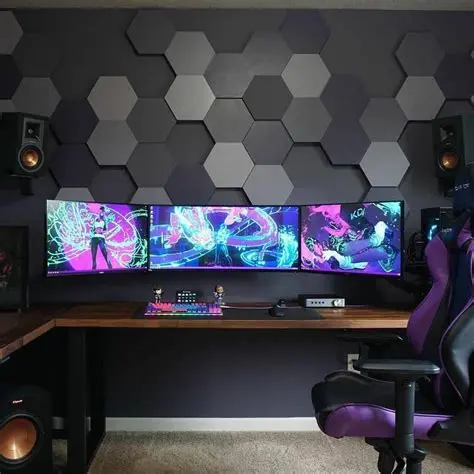
Your Quiet Gaming Zone: Easy Soundproofing for Small Rooms
Tu Zona de Juegos Silenciosa: Aislamiento Acústico Fácil para Habitaciones Pequeñas Votre Zone de Jeu Calme : Isolation Phonique Facile pour Petites Pièces Deine Ruhige Gaming-Zone: Einfache Schalldämmung für Kleine Räume La Tua Zona Gaming Tranquilla: Isolamento Acustico Facile per Stanze Piccole Sua Zona Gamer Silenciosa: Isolamento Acústico Fácil para Quartos Pequenos あなたの静かなゲーミングゾーン:小さな部屋のための簡単な防音対策 당신의 조용한 게이밍 존: 작은 방을 위한 쉬운 방음 팁 你的安静游戏区:小房间的简易隔音技巧 Ваша Тихая Игровая Зона: Простое Звукоизоляция для Маленьких Комнат منطقة ألعابك الهادئة: عزل صوت سهل للغرف الصغيرة आपकी शांत गेमिंग ज़ोन: छोटे कमरों के लिए आसान साउंडप्रूफिंग Sakin Oyun Alanınız: Küçük Odalar İçin Kolay Ses Yalıtımı Jouw Stille Gaming Zone: Eenvoudige Geluidsisolatie voor Kleine Kamers Din Tysta Spelzon: Enkel Ljudisolering för Små Rum Twoja Cicha Strefa Gier: Łatwe Wygłuszanie dla Małych Pokoi Yo, gamers! Ever been deep into a raid, only to have your epic comms leak into the living room, or your parents shout about the 'racket'? Or maybe you're just trying to focus, but every little outside noise is messing with your K/D? We've all been there, especially when your gaming HQ is, well, cozy. Don't sweat it, because we're about to drop some serious knowledge on how to transform your small gaming space into a silent sanctuary, so you can game hard without the drama.
Soundproofing Materials: Your Arsenal Against Noise
Okay, so you’ve got the basic idea of soundproofing, right? Now, let's dive into the exciting world of materials that can actually make a big difference in your small gaming room. Think of these as your personal toolkit to combat annoying echoes and unwanted noise. Choosing the right stuff is half the battle, and luckily, there's a good variety out there to suit different needs and budgets.
Some materials are designed to absorb sound, while others are built to block it entirely. Understanding the difference is super important when you're trying to create that perfect, quiet gaming sanctuary. Don't just grab anything; take a moment to consider what kind of noise you're dealing with and what your ultimate goal is.
Let's take a look at some common soundproofing heroes and what they're best for:
| Material | Primary Function | Effectiveness (1-5, 5 being best) | Typical Use Case | Cost ($, $$, $$$) |
|---|---|---|---|---|
| Mass Loaded Vinyl (MLV) | Sound Blocking (adds mass) | 5 | Walls, ceilings, floors, doors | $$$ |
| Acoustic Foam Panels | Sound Absorption (reduces echo) | 3-4 | Walls, ceilings, corners | $ - $$ |
| Soundproof Curtains | Sound Blocking & Absorption (windows) | 3 | Windows, doorways | $$ |
| Green Glue (Damping Compound) | Vibration Damping (converts energy) | 4 | Between drywall layers, subflooring | $$$ |
| Weatherstripping/Door Seals | Sound Blocking (seals gaps) | 3-4 | Doors, windows | $ |
| Heavy Blankets/Moving Blankets | Temporary Absorption & Blocking | 2-3 | Temporary wall coverings, door covers | $ |
Each material has its own superpower. For instance, Mass Loaded Vinyl, or MLV, is fantastic for adding serious mass to walls and doors, which is key for blocking sound transmission. It’s pretty dense and flexible, making it a great choice for a truly dedicated soundproofing effort. Meanwhile, acoustic foam panels are brilliant for soaking up echoes within the room itself, making your audio clearer and less boomy.
Don't forget about soundproof curtains, especially for those pesky windows that let in so much external noise. They're thicker and heavier than regular curtains and can make a noticeable difference. And for sealing up those tiny cracks and gaps around doors and windows, simple weatherstripping can be incredibly effective. Every little bit truly helps when you're aiming for that perfectly hushed gaming haven.
Acoustic Treatment vs. Soundproofing: What's the Difference and Why It Matters
Alright, let's clear up a common misunderstanding that trips up a lot of gamers when they're trying to optimize their space: the difference between acoustic treatment and soundproofing. While both aim to improve your audio experience, they tackle very different problems. Think of it like this: one is about keeping sound in or out, and the other is about making the sound inside the room sound better.
Soundproofing, first and foremost, is all about blocking sound. Its main goal is to prevent sound waves from either entering your gaming room from the outside or escaping your room and bothering others. This involves adding mass, creating airtight seals, and decoupling structures. When you soundproof, you're essentially building a barrier against noise.
This is why materials like Mass Loaded Vinyl, thick drywall, or sealing gaps around doors and windows are so crucial for soundproofing. You're trying to create an impenetrable fortress against noise pollution. If your neighbors can hear every gunshot from your game, or you can hear every car passing by, you need soundproofing.
Acoustic treatment, on the other hand, isn't about blocking sound. Instead, it's about managing the sound within your room. Its goal is to improve the sound quality inside the space by absorbing echoes, reducing reverberation, and controlling reflections. This makes your game audio clearer, your voice chat crisper, and generally creates a more pleasant listening environment for you.
Materials like acoustic foam panels, bass traps, and diffusers are the stars of acoustic treatment. They don’t stop sound from leaving your room, but they make the sound you hear much better by preventing sound waves from bouncing wildly off walls and creating a muddy, unclear sound. A room that’s perfectly soundproofed but lacks acoustic treatment can still sound terrible inside, full of echoes.
So, for the ultimate small gaming room, you really need a combination of both. Soundproofing keeps the external noise out and your gaming noise in, while acoustic treatment ensures that the sound you experience within your room is pristine and immersive. It's like having a great insulated house (soundproofing) and then decorating it beautifully for comfort and clear conversation (acoustic treatment).
DIY Soundproofing Solutions: Budget-Friendly Hacks
Not everyone has a massive budget to completely overhaul their gaming room with professional soundproofing materials, and that's totally okay! There are plenty of smart, budget-friendly DIY solutions that can still make a noticeable difference in reducing noise and improving your gaming experience. You might be surprised by how effective some simple tricks can be.
One of the easiest and most cost-effective strategies is to use heavy textiles. Think about hanging thick blankets, moving blankets, or even old comforters on your walls, especially behind your gaming setup or on shared walls. These materials are excellent at absorbing sound and can help to dampen echoes and reduce sound transmission. It’s not perfect, but it definitely helps.
Another fantastic hack is to focus on sealing gaps. Small cracks around doors and windows can be major culprits for sound leakage. Investing in some simple weatherstripping or door sweeps can make a huge impact. You can even use a "door snake" or a rolled-up towel at the bottom of your door to block sound from creeping under. Every tiny gap sealed means less noise getting in or out.
Don't underestimate the power of furniture placement. Arranging your bookshelves, wardrobes, or even a large couch against shared walls can add significant mass and density, helping to block sound. Filling these shelves with books, games, or other heavy items will further enhance their sound-blocking capabilities. It's functional and helps with sound!
Even simple rugs and carpets on hard floors can make a world of difference. Hard surfaces reflect sound waves, creating echoes and making a room sound much louder. A plush rug will absorb a lot of that reflective sound, instantly making your room feel quieter and more comfortable. If you have bare floors, this is a must-do.
Finally, consider using acoustic caulk for any tiny cracks or openings in your walls or ceiling. Unlike regular caulk, acoustic caulk remains flexible and provides better sound isolation by sealing those small pathways for sound. These DIY methods might not achieve professional-level soundproofing, but they are fantastic starting points for improving your gaming room without breaking the bank.
Optimizing Your Gaming Setup for Minimal Noise
While soundproofing your room is crucial for blocking external noise, it's also super important to think about the noise generated within your gaming setup itself. Your PC, console, and peripherals can be surprisingly loud, contributing to an overall noisy environment even in a well-soundproofed room. A few smart choices here can significantly enhance your quiet gaming experience.
One of the biggest culprits for noise is often your PC’s cooling system. Stock CPU coolers and case fans can sound like a jet engine during intense gaming sessions. Upgrading to quieter components like a high-quality aftermarket CPU cooler, silent case fans, or even a liquid cooling system can make a world of difference. Look for fans with low dBA ratings.
Another significant noise source can be hard drives. If you're still using a traditional HDD for your operating system or frequently accessed games, consider switching to Solid State Drives (SSDs). SSDs have no moving parts, which means they operate completely silently. This upgrade not only reduces noise but also significantly improves load times and overall system responsiveness.
Think about vibration. Your PC case, subwoofer, or even game controllers can transmit vibrations through your desk or floor, creating low-frequency rumbling sounds. Placing anti-vibration mats or rubber feet under your PC tower, speakers, and subwoofers can effectively decouple them from surfaces and reduce this transfer of noise. It's a small change with a noticeable impact.
Headphones are your best friend for an immersive and quiet gaming experience. Investing in a good pair of noise-canceling headphones, or even just well-isolated closed-back headphones, will not only keep your game audio to yourself but also block out any remaining ambient noise from your room. This means you won't need to crank up the volume, further reducing potential sound leakage.
Lastly, consider the placement of your equipment. Don't push your PC right up against a wall or tuck it into a cramped cabinet without proper ventilation. This can lead to overheating, causing your fans to work harder and louder. Give your PC some breathing room, and if possible, place it on a dedicated stand or elevated surface to minimize vibration transfer to your desk.
Frequently Asked Questions (FAQs) About Small Gaming Room Soundproofing
Got more questions buzzing around your head about getting your gaming room super quiet? You're not alone! It's a topic with lots of nuances, especially when you're dealing with a smaller space. We've gathered some of the most common questions gamers ask about soundproofing their battle stations, so let's dive into some quick answers to help you out.
1. Is it possible to completely soundproof a small gaming room?
Realistically, achieving 100% soundproofing is incredibly difficult and expensive. The goal is usually to significantly reduce noise to a comfortable and functional level, not eliminate it entirely.
2. What's the cheapest way to soundproof a small room?
The cheapest methods often involve sealing gaps around doors and windows with weatherstripping, using heavy blankets on walls, and placing rugs on floors. These are great starting points for anyone on a tight budget.
3. Do acoustic foam panels actually soundproof a room?
No, acoustic foam panels primarily absorb sound to reduce echoes and reverberation within the room. They do not effectively block sound from entering or leaving.
4. Where should I put acoustic panels in a small room?
Focus on the first reflection points on your walls and ceiling, as well as behind your monitors and listening position. Corners are also great for bass traps.
5. Can egg cartons be used for soundproofing?
While egg cartons have a unique shape, their mass and density are far too low to provide any meaningful soundproofing or even acoustic treatment. They are not effective.
6. How important are doors and windows for soundproofing?
Extremely important! They are often the weakest links in any soundproofing effort. Sealing them properly and using heavy, solid core doors or soundproof curtains can make a huge difference.
7. What is Mass Loaded Vinyl (MLV) and how is it used?
MLV is a heavy, flexible material designed to add mass to walls, ceilings, and floors without taking up much space. It's excellent for blocking sound transmission.
8. Should I soundproof for airborne noise or impact noise?
Both, if possible! Airborne noise (voices, music) is blocked by mass and airtightness. Impact noise (footsteps, vibrations) requires decoupling and damping materials.
9. Will a thick carpet help with soundproofing?
Yes, a thick carpet with a good underlayment can significantly help with sound absorption, reducing echo, and dampening impact noise on floors.
10. Is it better to soundproof or acoustically treat first?
Generally, you should address soundproofing first to prevent external noise. Once that's handled, then focus on acoustic treatment to refine the sound inside the room.
11. How much space do soundproofing materials take up?
It varies. Solutions like MLV are thin, but adding extra drywall layers can take up several inches. DIY hacks often take up more visible space.
12. Can plants help with soundproofing?
While plants can slightly absorb high-frequency sounds, their impact on true soundproofing is negligible. They're more for aesthetics and air quality than noise reduction.
13. What is Green Glue, and how does it work?
Green Glue is a damping compound applied between layers of rigid material (like drywall) that converts sound energy into heat, significantly reducing sound transmission and vibration.
14. Do I need to soundproof the ceiling in a small room?
If you have noisy neighbors upstairs or your own gaming sounds are bothering people below, then yes, ceiling soundproofing (adding mass, damping) is very important.
15. How can I test if my soundproofing efforts are working?
You can use a sound meter app on your phone (for rough estimates) or simply observe the noticeable reduction in external noise and internal echoes. Play some loud music to test leakage.
Game On (Quietly)!
Alright, gamers, that's a wrap on our mission to turn your small gaming room into a super quiet, immersive escape! We really hope these soundproofing tips give you everything you need to block out the world and dive deep into your games. It's totally worth the effort, trust me; your headset-free moments (and everyone else's ears) will thank you big time. Huge thanks for sticking around and reading all the way through! We're always cooking up more cool stuff, so definitely swing by again soon. Until next time, happy gaming, and may your frame rates be high and your decibels low!